
Many homeowners preparing to sell their property believe the same fundamental thing: if they renovate enough, they will sell for more. It sounds logical on the surface. Spend money, upgrade the home, and increase the asking price. However, in the current real estate landscape, particularly in competitive markets like Wellington, that approach often misses the mark.
In 2026, buyers are not just looking at finishes or the cost of the marble in the bathroom. They are reacting to how a home feels the moment they cross the threshold. This is exactly why professional HOME STAGING and thoughtful presentation beat renovation more often than sellers expect. A clean, well-prepared home frequently outperforms one with expensive, permanent upgrades that do not match a buyer’s specific taste.
The Psychology of the Buyer
Buyers are not walking through a property in Wellington calculating the line-item renovation costs of a kitchen remodel. Instead, they are making quick, instinctive, emotional decisions. They are asking themselves: Does this feel right? Can I see myself living here? Is this easy? That reaction happens within the first thirty seconds of a viewing.
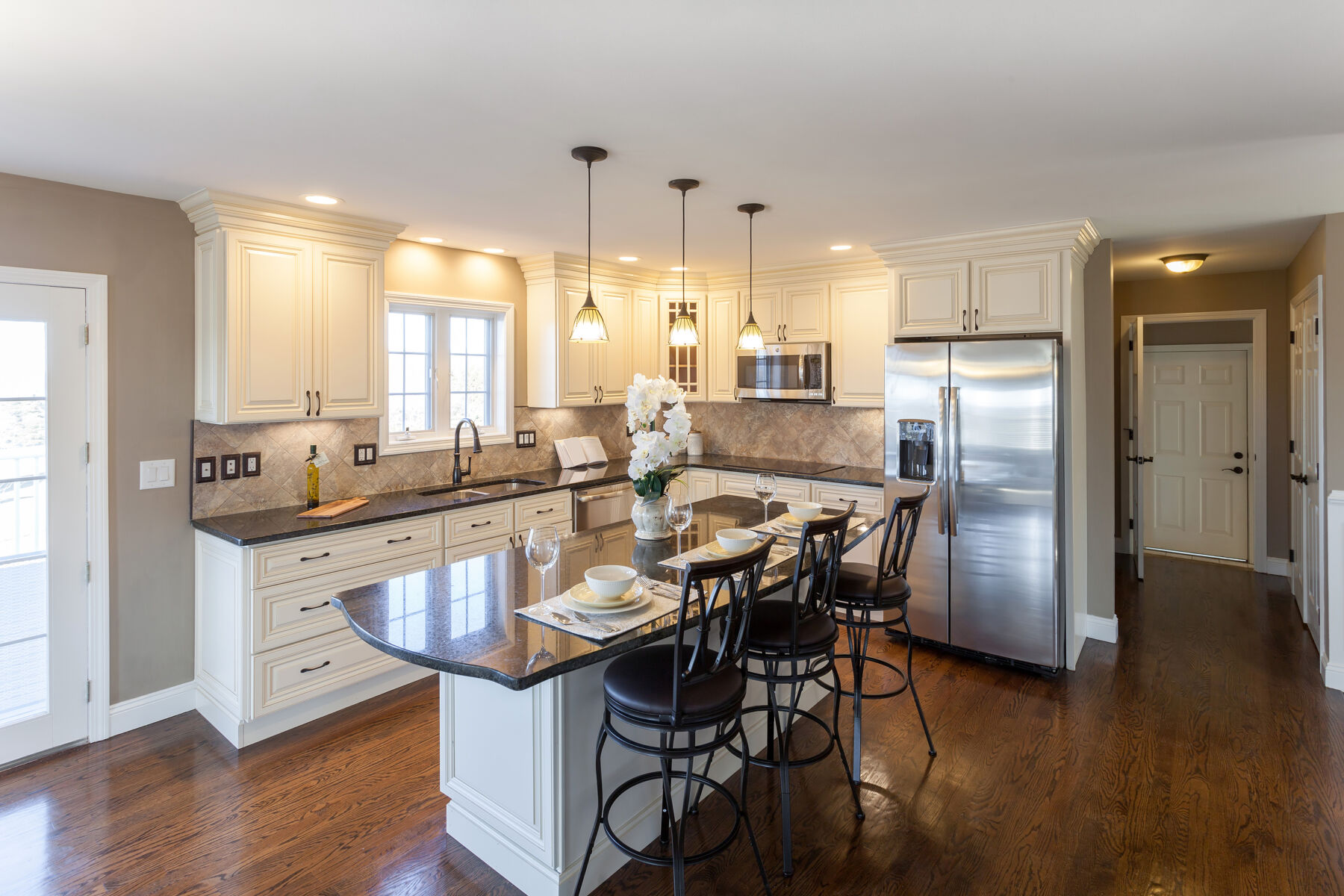
That emotional connection has very little to do with how much money was spent on new flooring and everything to do with HOME STAGING. A bright, open, and uncluttered home creates a stronger psychological connection than one filled with high-end materials that feel too specific or overly customized to the current owner’s lifestyle.
Why Presentation Wins
Buyers want clarity, not complexity. HOME STAGING acts as a bridge between a vacant or cluttered house and a buyer’s imagination. Decluttering is one of the simplest and most effective steps in this process. When rooms are filled with personal items, oversized furniture, or everyday distractions, buyers struggle to understand the actual dimensions of the space. Their focus shifts away from the architecture of the home and onto the “stuff” inside it.
When those items are removed and replaced with strategic HOME STAGING, the home becomes easier to read. Buyers can see the layout clearly. They can imagine where their own furniture would go. They can picture their life unfolding in the space. This shift in perception is incredibly powerful, especially in a community like Wellington where lifestyle and flow are top priorities for families. It costs very little compared to a full renovation, but the impact is immediate and often results in a higher final sale price.
The Role of Neutrality
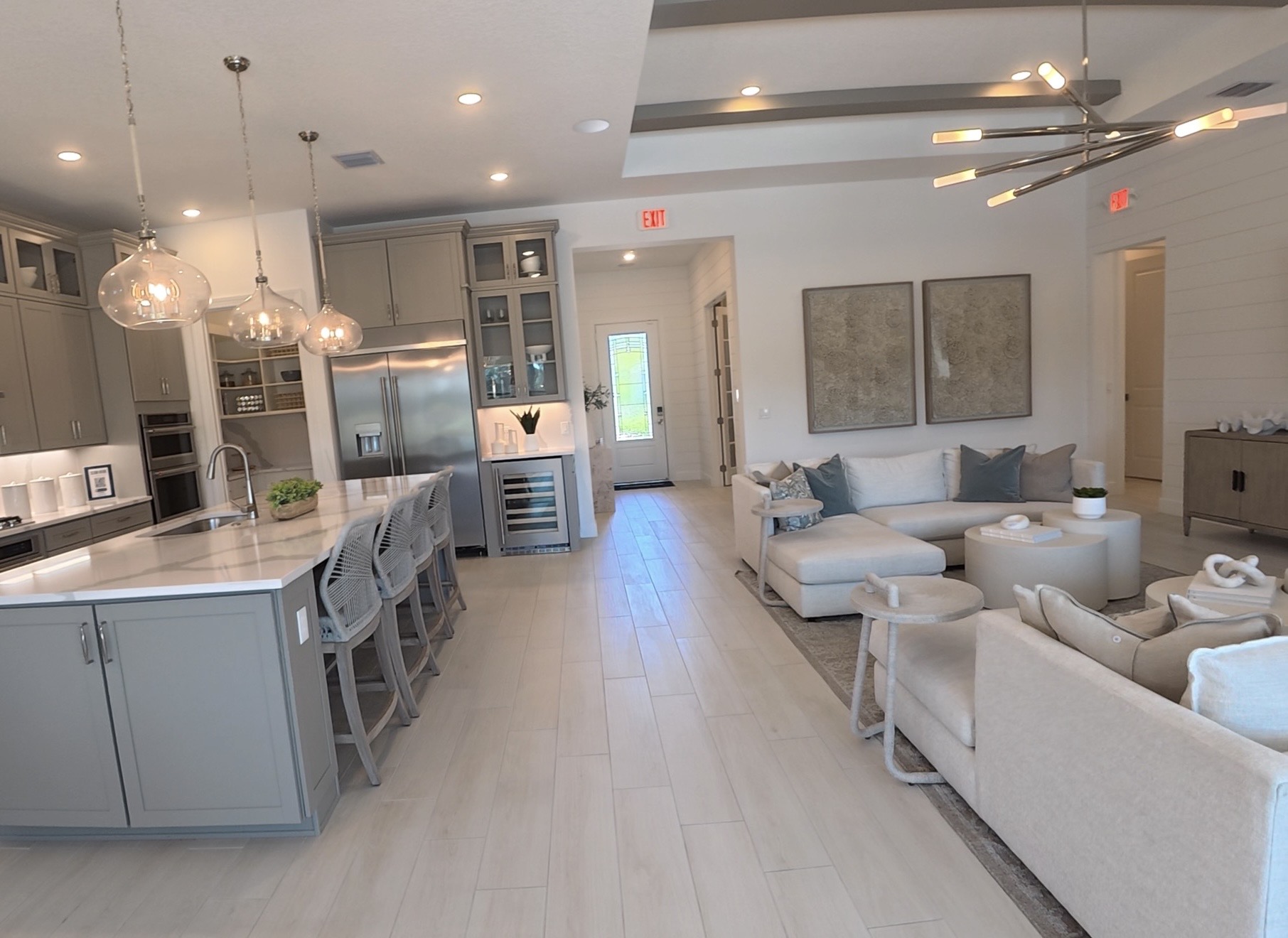
Neutral presentation works on the same principle of “removing friction.” Bold colors, unique finishes, and highly personalized design choices may reflect your unique style, but they do not always translate to broad market appeal. Effective HOME STAGING utilizes neutral tones to create a clean, sophisticated backdrop.
These neutral palettes allow buyers to project their own preferences without resistance. Instead of questioning whether they need to spend their first weekend repainting or redesigning a “loud” room, they can focus on the home’s intrinsic value. In this regard, HOME STAGING removes the mental “to-do list” that often kills a deal before it starts.
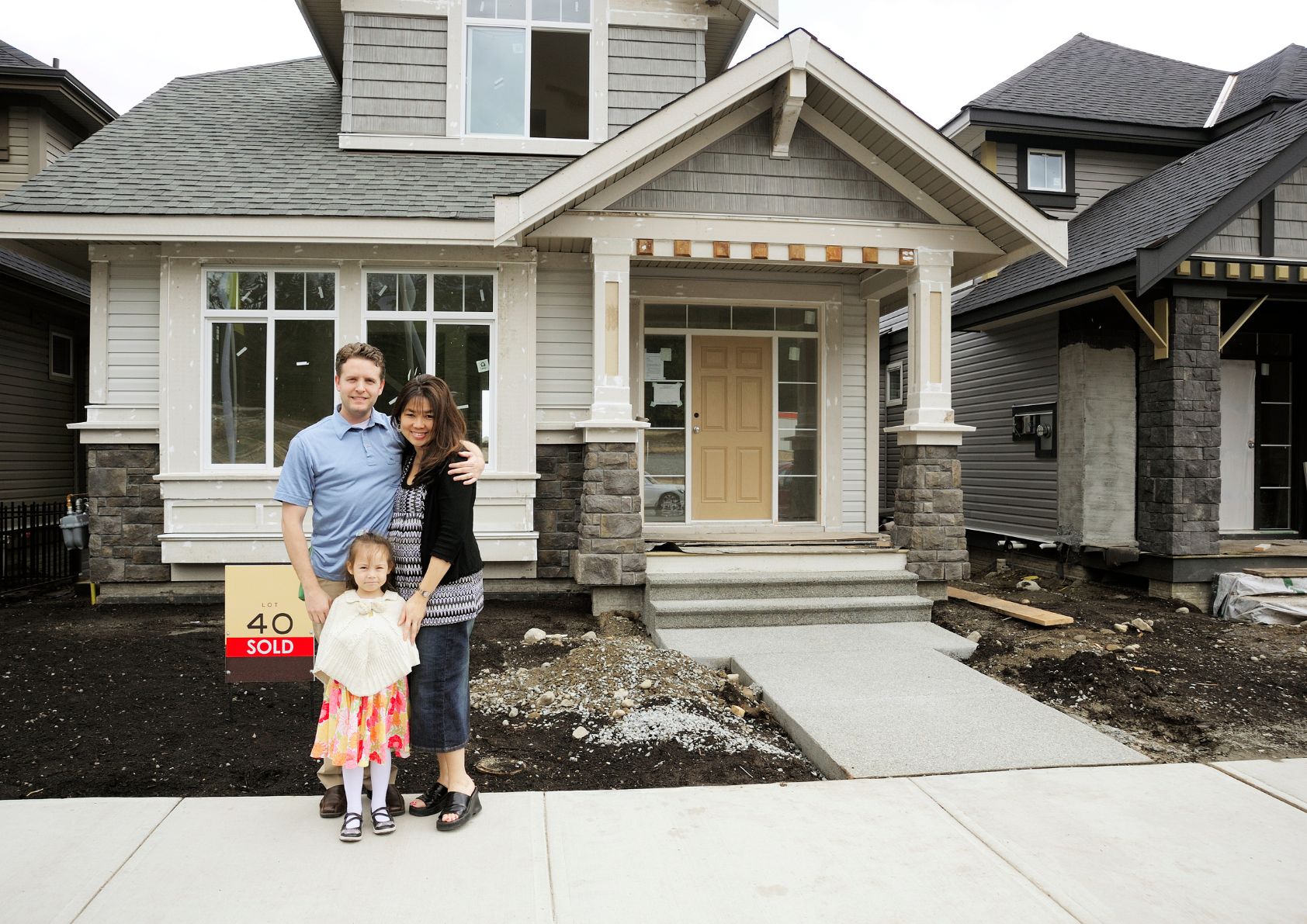
They compare homes within a price range. If a renovated home is priced above similar listings, buyers often choose the better value instead. That leaves sellers with higher expenses and limited return.
This is where presentation beats renovation becomes a financial strategy, not just a design choice.
Focusing on how the home shows, rather than how much was spent, often leads to better results. Cleanliness, simplicity, and clarity create stronger first impressions and better overall positioning.
Buyers respond to homes that feel easy.
Easy to walk through. Easy to understand. Easy to imagine living in.
Those qualities drive interest, showings, and offers.
Before committing to major renovations, it is worth asking a simple question. Will this improvement make the home easier for buyers to connect with, or just more expensive?
The answer often leads back to the same conclusion.
In today’s market, the homes that perform best are not always the most upgraded.
They are the ones that are presented the best.
Cosmetic Updates vs. Major Overhauls
While we advocate for presentation, light cosmetic updates can still go a long way. Fresh paint, updated lighting, clean flooring, and minor repairs improve how a home shows without requiring a five-figure investment. These changes signal care and maintenance to the Wellington buyer.
Buyers are significantly more comfortable making offers on homes that feel well-kept. They do not necessarily expect perfection, but they do expect a certain condition. Addressing visible issues through HOME STAGING and basic maintenance creates confidence and reduces buyer hesitation. Confidence is the primary driver of stronger, cleaner offers.
Defining Every Space
Clear room purpose is another factor that often gets overlooked by DIY sellers. Buyers move through a home quickly, often viewing multiple properties in a single afternoon. If a space feels confusing, “multi-purpose,” or undefined, they spend mental energy trying to figure out how to use it instead of appreciating the home’s square footage.
Professional HOME STAGING solves this by giving every nook a narrative. A bedroom should feel like a sanctuary. A home office should feel productive and usable. Living areas should feel open and functional. When each space has a clear, singular role, the home becomes easier to understand and remember.
The Financial Strategy of Staging
Homes that are clean, staged, and thoughtfully prepared tend to feel more inviting. They create a sense of ease that resonates deeply with people. This feeling matters more than upgraded countertops or expensive fixtures because it addresses the buyer’s lifestyle aspirations.
This is not to say renovations never help. In some cases, they are necessary, especially when a home has major structural issues or is significantly outdated for the Wellington market. But for many sellers, large-scale remodels immediately before listing do not return their full cost. Buyers rarely pay dollar-for-dollar for your upgrades; they compare homes within a price range. If a renovated home is priced significantly above similar listings in Wellington, buyers often choose the better value and plan to do their own updates later.
This is where HOME STAGING becomes a savvy financial strategy rather than just a design choice. By focusing on how the home shows—rather than how much was spent on the hardware—you create a competitive edge. Cleanliness, simplicity, and professional HOME STAGING create stronger first impressions and better overall market positioning.
Conclusion
Buyers respond to homes that feel easy: easy to walk through, easy to understand, and easy to imagine living in. Those are the qualities that drive interest, multiple showings, and competitive offers. Before you commit to a major renovation project in Wellington, it is worth asking a simple question: Will this improvement make the home easier for buyers to connect with, or just more expensive for me to sell?
The answer often leads back to the same conclusion. In today’s market, the homes that perform best are not always the ones with the newest additions. They are the ones that utilize HOME STAGING to present the best possible version of the “dream life” to the next owner. Remember, when you are ready to list, let HOME STAGING do the heavy lifting for you.


