
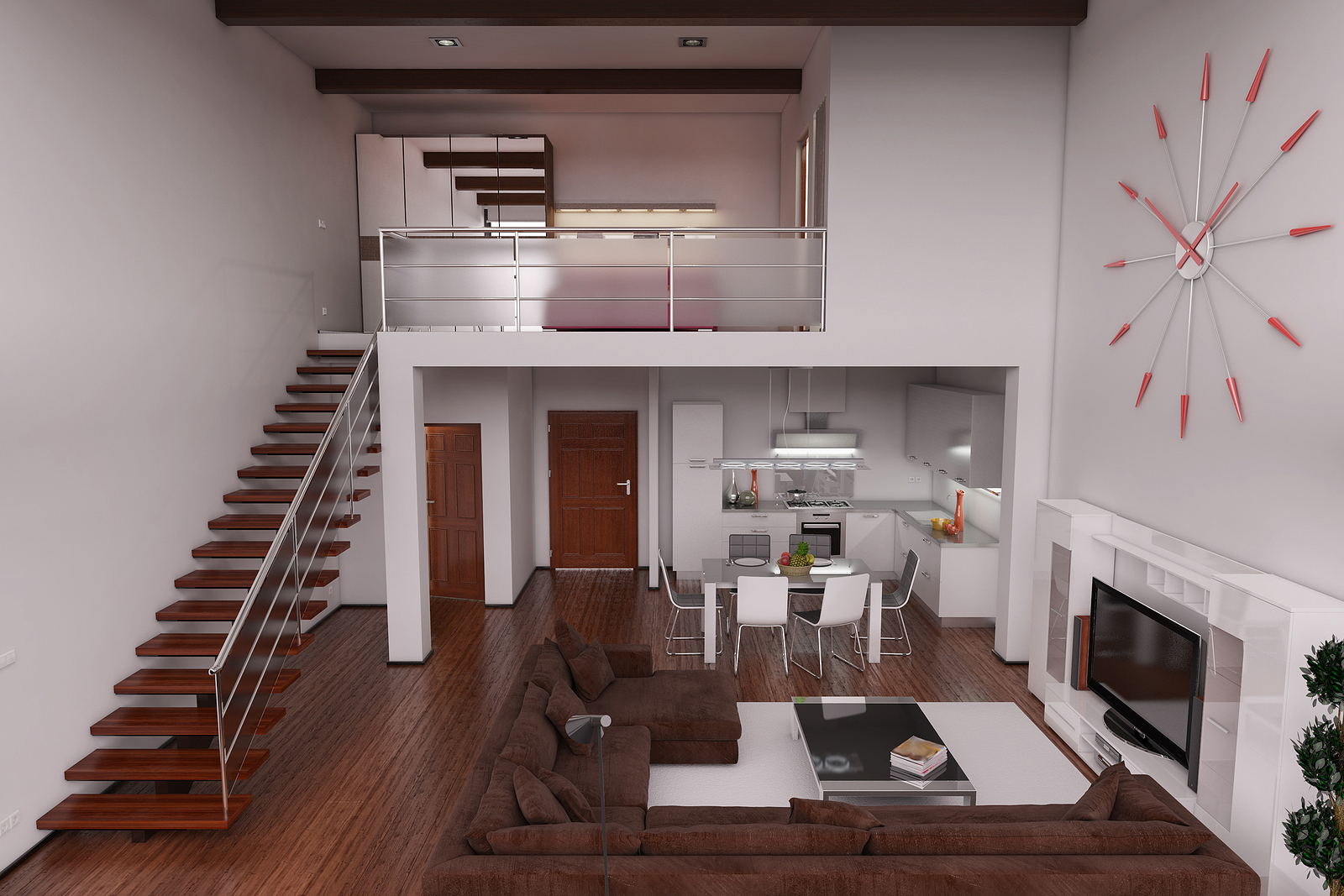
For a long time, bigger was the goal.
For a long time, bigger was the goal. Rightsizing wasn’t even a consideration for most buyers. The dream was more square footage, more rooms, more storage, and more space to spread out, fill up, and grow into. A larger home was often seen as the next step, the upgrade, the sign that you were moving forward.
That mindset has shifted.
A lot of buyers today are not looking for the biggest house they can afford. They are looking for the house that makes the most sense for how they actually live. That is a big reason why smart-sized, intentional properties are winning right now. Across the country, and highly visible right here in the local market, the cultural wave of rightsizing is redefining luxury and practicality alike.
People are thinking differently than they used to. They are more aware of monthly costs, more aware of upkeep, and more aware that extra space is not always the same thing as better living. A house can be large and still feel wasteful, expensive, or harder to manage than it needs to be. That is where rightsizing starts making a lot more sense.
Lifestyle plays a role too.
The Financial Reality of Excess Space
A smaller home usually costs less to buy, less to heat and cool, less to furnish, and less to maintain. That matters. When exploring Wellington homes for sale, modern buyers are paying attention not just to the purchase price, but to the day-to-day cost of owning the home after the excitement wears off.
Mortgage payments are only part of the picture. Utilities, repairs, professional cleaning, insurance premiums, and landscaping all add up. More house usually means more expense in every direction. Opting for a conscious strategy of rightsizing is one of the clearest paths to financial peace of mind. People want a home that fits their life without quietly draining their time and money.
There is also the issue of how people actually use space. For years, buyers were sold on formal dining rooms, bonus rooms, oversized living areas, and square footage that sounded impressive on paper. But a lot of that space went underused. Rooms looked good in listing photos and then sat empty most of the year.
Buyers are more aware of that now, asking better questions before signing a contract:
-
Will we really use this room on a weekly basis?
-
Do we want to clean this much house every single weekend?
-
Are we paying a premium for space just because it sounds nice to have it?

That kind of honesty changes the entire property search. Embracing rightsizing often forces better function. When space is tailored rather than excessive, layout matters more. Storage matters more. Room purpose matters more. A well-designed smaller home can live significantly better than a larger one plagued by awkward flow or wasted square footage. Buyers would rather have a smart, highly functional layout than a bunch of empty square footage they cannot justify.
Lifestyle Flexibility and Open Agendas
Lifestyle plays a massive role too. A lot of people do not want to spend their weekends maintaining a house they barely have time to enjoy during the workweek. They want something easier. Easier to clean. Easier to furnish. Easier to lock up and leave for a vacation. Easier to live in without constantly feeling behind on one more home improvement project.
This desire for simplicity crosses all demographics. It is especially true for busy professionals, empty nesters looking to simplify, first-time buyers trying to stay financially comfortable, and even seasonal residents focused on the vibrant equestrian Wellington lifestyle. Whether you are traveling for work or spending your winter months tracking horse sport events, a home should be a sanctuary, not a second job.
Choosing a path of rightsizing also tends to make people more intentional with their environments. Less room often means less clutter, fewer unnecessary retail purchases, and a clearer sense of what actually matters. That may sound simple, but it fundamentally changes how a home feels. A house does not have to be massive to feel good; it has to work seamlessly with your daily path. And for many buyers, rightsizing works better than they ever expected.
Buying Smarter, Living Better
Ultimately, transitioning toward rightsizing is a much healthier way to buy real estate. It is also a big reason why highly optimized, smaller footprints are winning right now in competitive markets. They feel more attainable. They feel more practical. They feel less like a financial stretch and more like a decision buyers can live with comfortably for the long haul.
The True Value of a Home: A home doesn’t need to be massive to feel meaningful. It needs to fit your routines, support your physical lifestyle, and give you the space you actually use—not the space you thought you were supposed to want.
There is a distinct confidence that comes with buying a property you can truly handle—not just on paper, but in real life. Committing to a philosophy of rightsizing leaves more room for savings, travel, spontaneous improvements, and emotional breathing room. It means less financial pressure and less daily strain. That trade-off is worth a lot more to people now than it used to be.
So when people ask why smaller, deliberate homes are winning right now, the answer is not complicated. Through purposeful rightsizing, these homes are cheaper to run, easier to maintain, and better aligned with how people really live. They give buyers a chance to own without overreaching, allowing them to enjoy their home without constantly managing it. That is not settling. That is buying smarter.
RIGHTSIZING – why is important


